UCDA CONFERENCE
< Back to Work

Event
& Design Thinking

2025
FROM PROBLEM
TO DESIGN
Our Process
-
Through a combination of storytelling, guided exercises, and practical tools, Wendy demonstrated how design thinking can move from concept to meaningful change. This communal change is possible when empathy, context, and client relationship lead the process. Her goal was to model a design approach that not only solves problems but also restores trust, dignity, and collaboration among stakeholders. The compelling concept at the heart of her message is that design is most innovative when it is most relational.
Wendy was uniquely positioned to speak to the merging of design and social impact, since this is at the heart of Marion Design Co. Rather than operating as a strictly traditional graphic design firm, the studio acts as a catalyst for community connection, using design to help people realize their shared assets and potential.When the City of Marion invited Marion Design Co. to design a new city logo, it led to a multi-year journey of revitalization. Rather than producing surface-level visuals, Wendy and her team embedded themselves downtown to learn the true narrative of the community. Through empathy-driven presence, they uncovered assets hidden within the city’s challenges. This experience shaped the foundational principle of her talk: “Presence changes perception.”
The UCDA audience, composed of educators, students, and design professionals, was the ideal forum to share this approach. Academic design programs and university teams can lead meaningful change when they listen deeply, collaborate authentically, and co-create with those they serve.
INNOVATIVE IDEASThis includes equipping participants with practical tools to turn abstract concepts into implementable, human-centered solutions. Introducing design thinking is a vital, repeatable process for ideation, evaluation, and iteration that prioritizes empathy and experimentation. By searching for assets within problem, limitations can be a source of innovation.
DEEP RELATIONSHIP
The client-designer dynamic can be reframed as a partnership rooted in shared discovery. Emphasize the necessity of being present (physically and relationally) to understand context and cultivate trust. Empathy, time, and conversation yield long-term loyalty and sustainable impact.
-
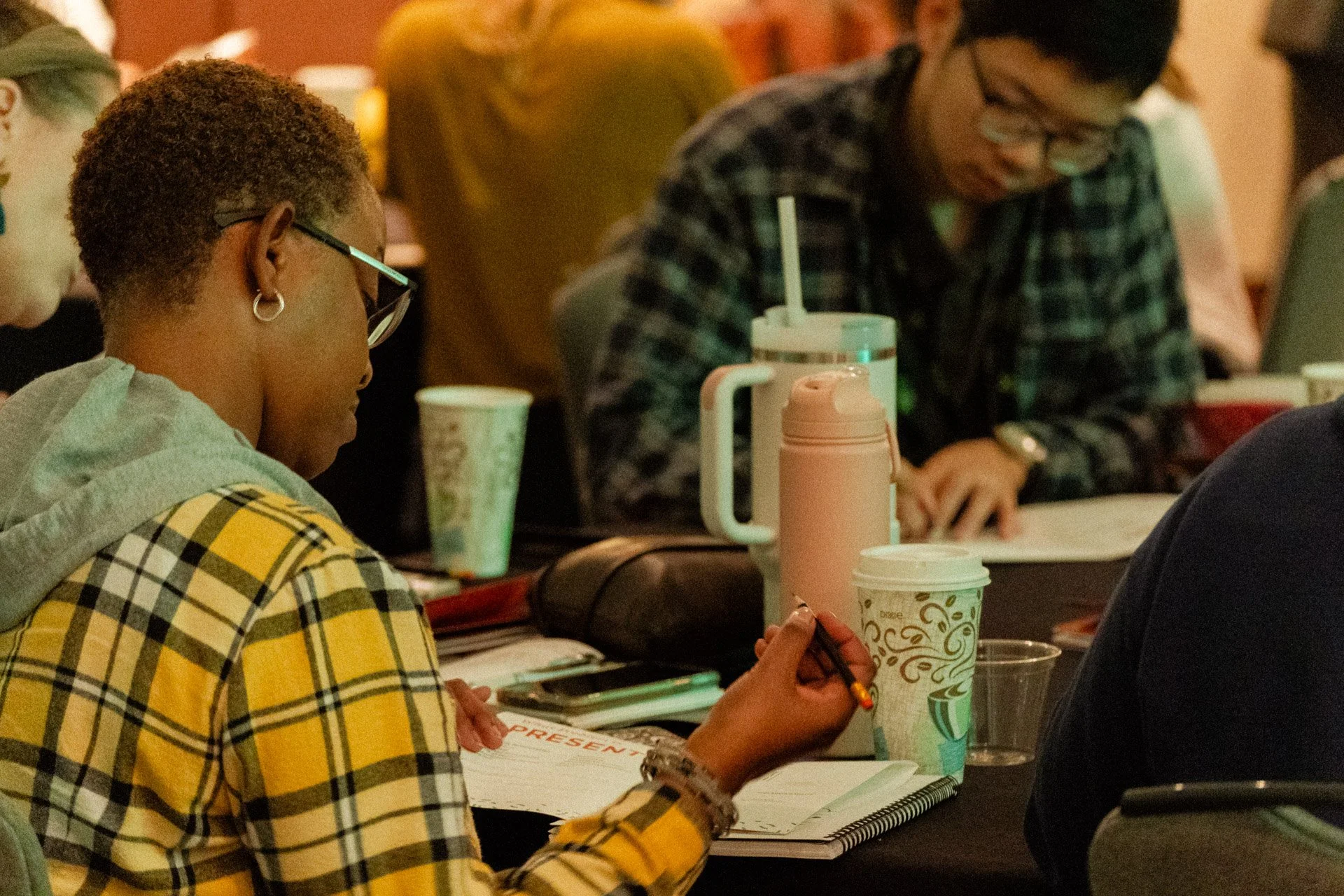
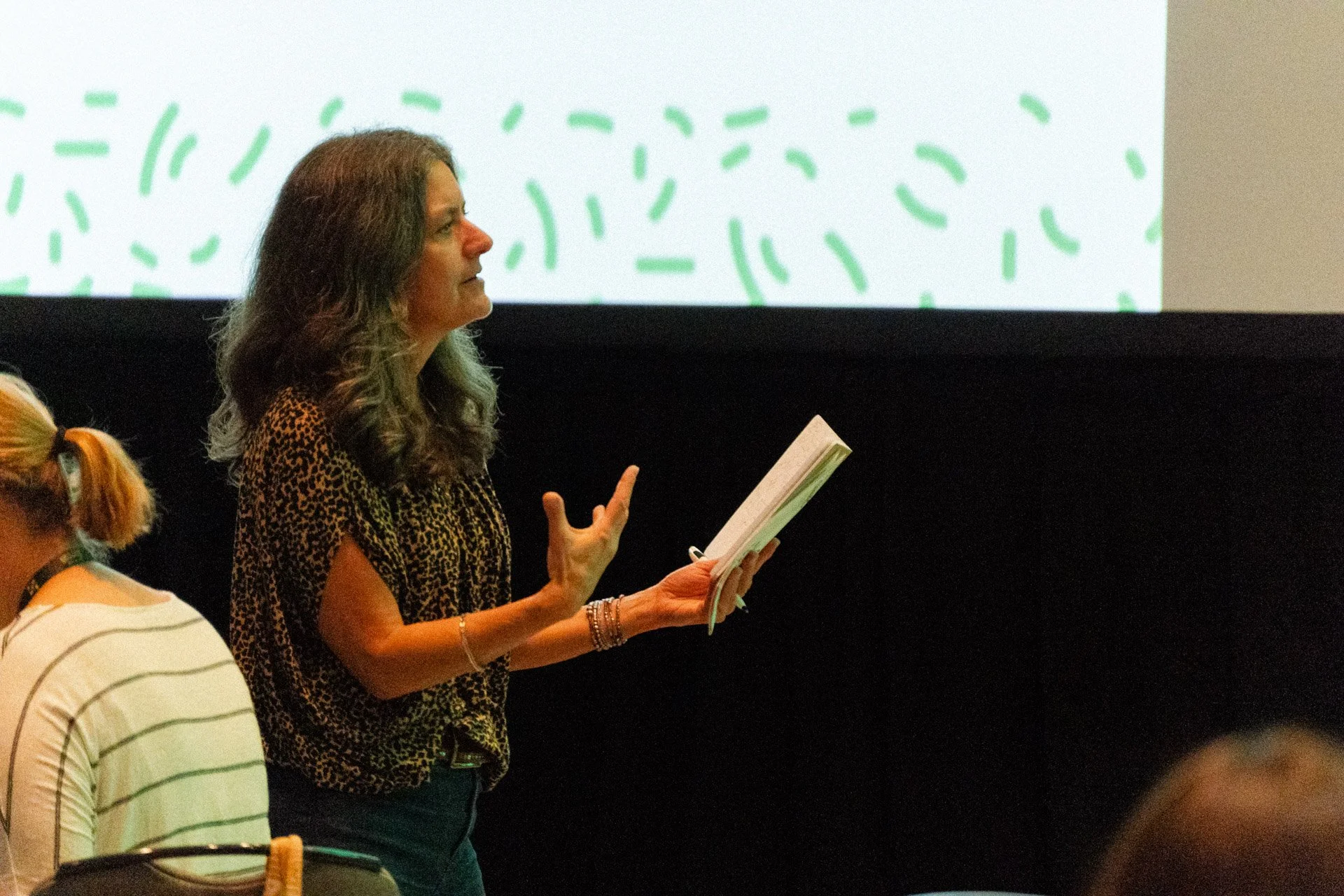
Wendy’s talk combined narrative insight with interactive design thinking exercises. Each activity modeled how presence and empathy can lead to innovative design outcomes.
Principles:
1. Presence changes perception.
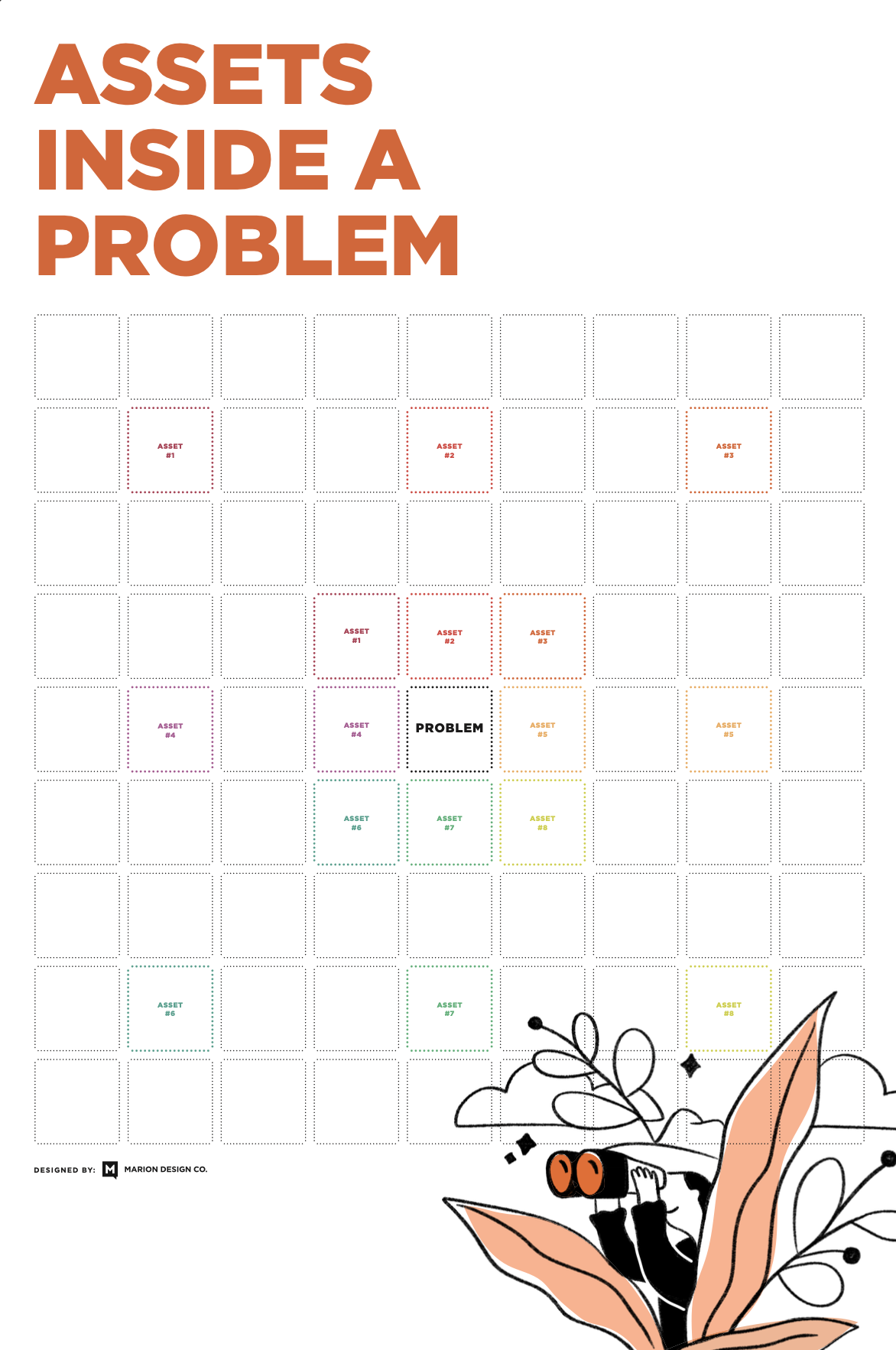
2. Assets are found inside problems where passions already exist.
3. Every problem carries just enough assets to meet the needs.
Wendy’s storytelling grounded these principles in lived experience. She shared about Marion Design Co.’s evolving studio spaces and its role in reawakening community pride. Each move and conversation became an experiment in how design and presence can coexist as a single act of empathy.
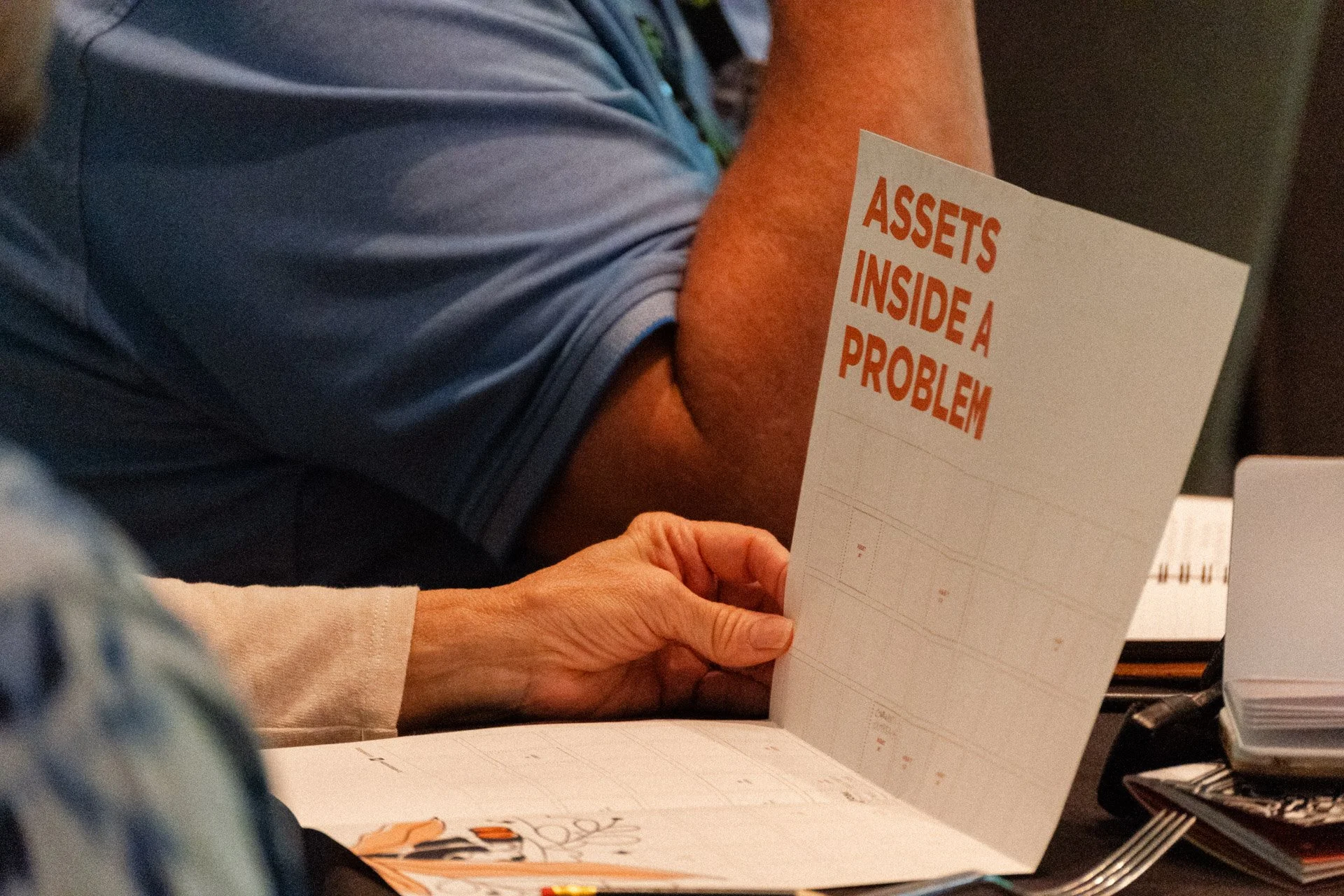
Handout: How to Lead a Design Thinking Session
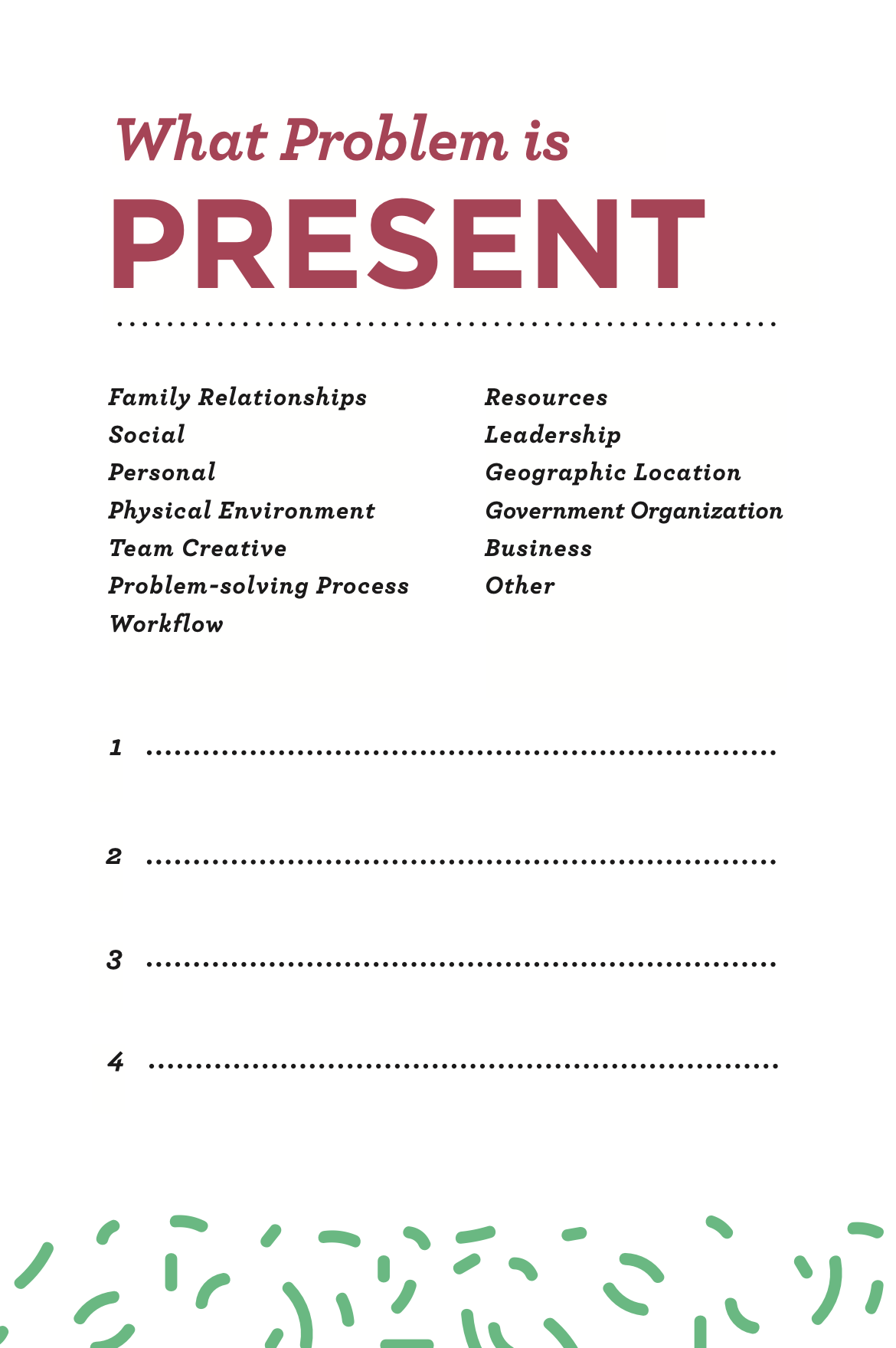
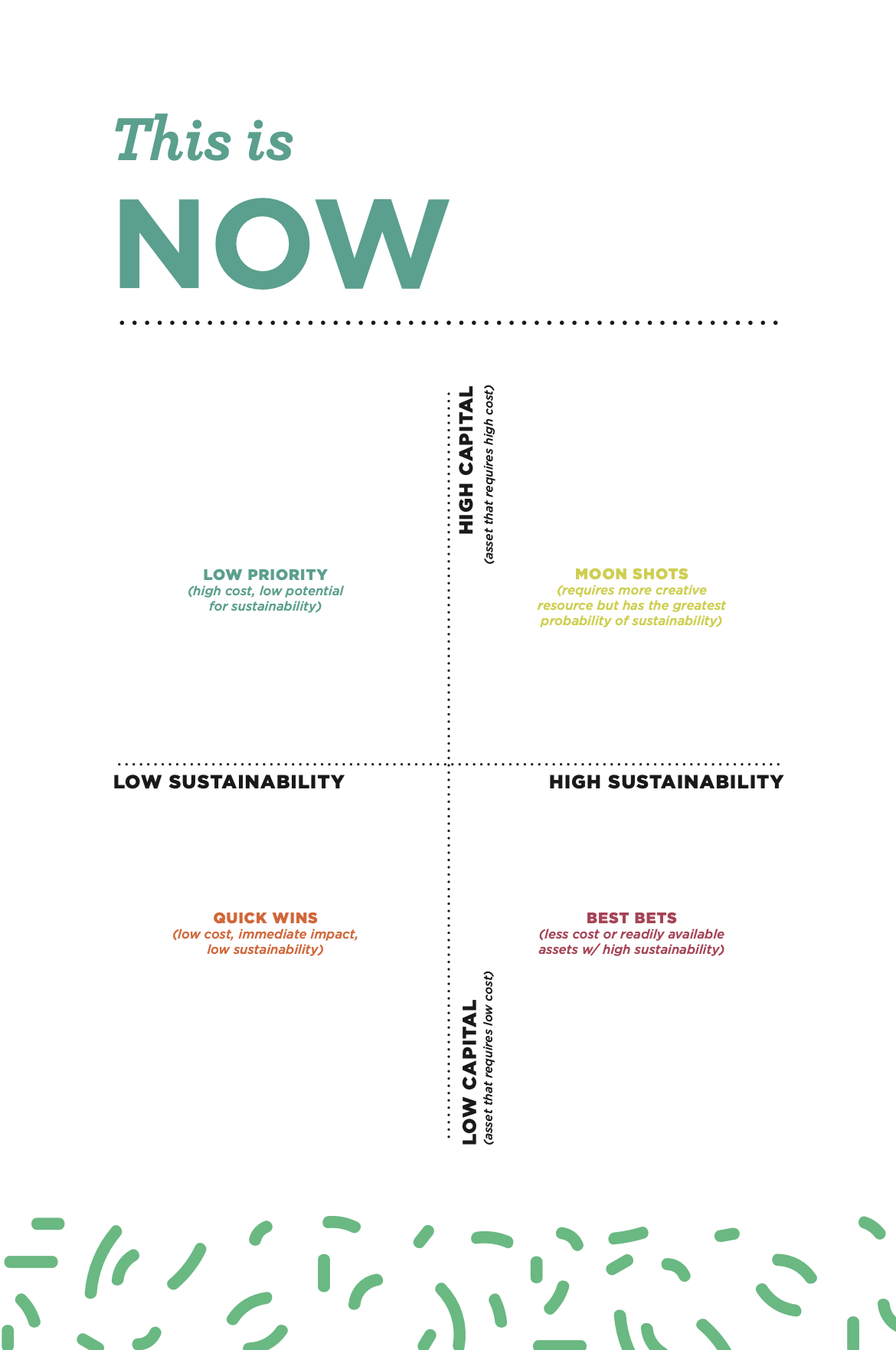
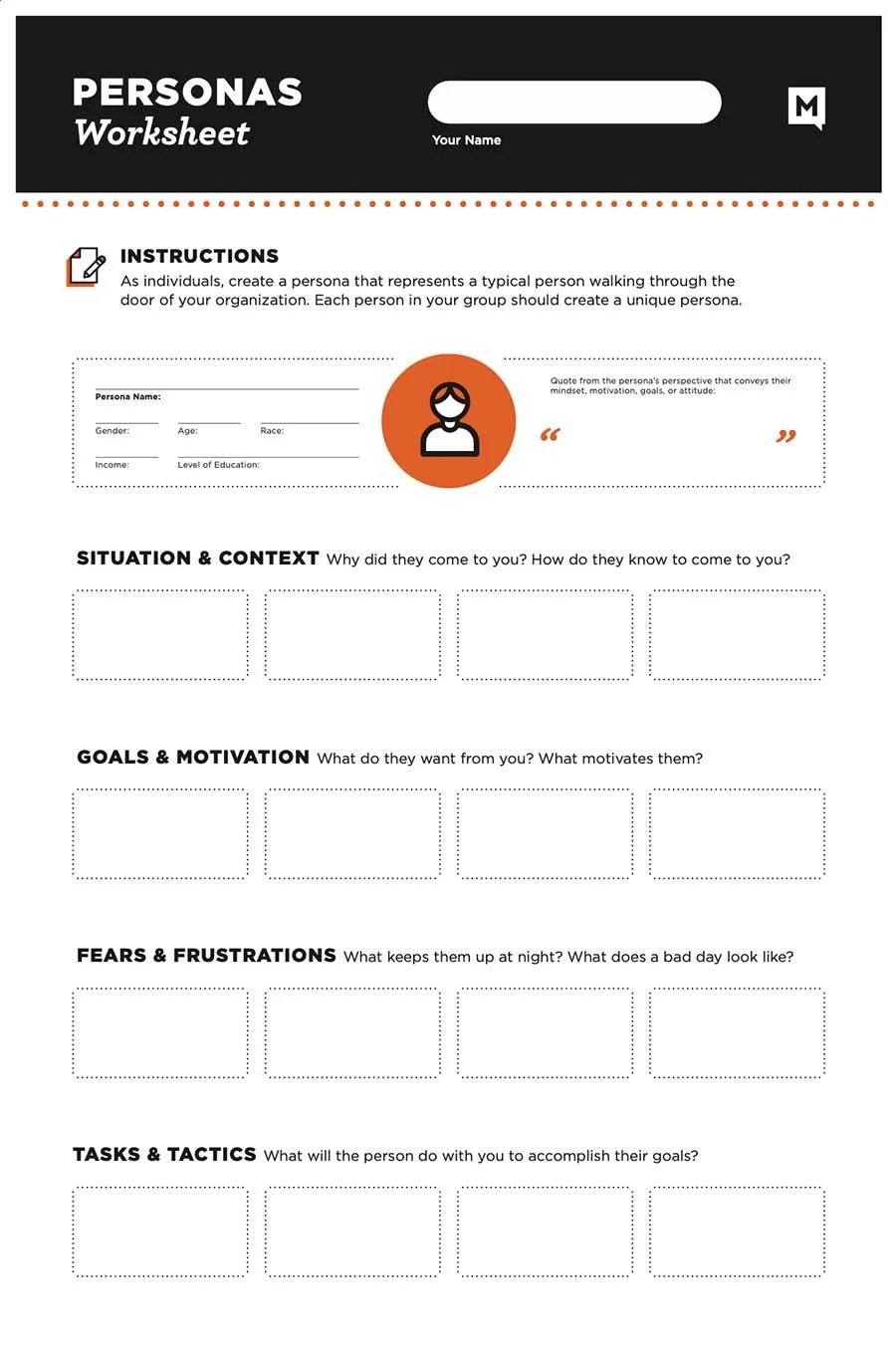
This handout provided a step-by-step framework for guiding interdisciplinary groups through collaborative problem solving. It covers preparation, facilitation, and follow-up.Two additional tools offered were the Personas Worksheet and Future Wheel:
Personas Worksheet: Traditionally used in early research, this tool was repositioned for the ideation phase. Participants used it to forecast how proposed ideas might affect real people. It examines goals, frustrations, and motivations from multiple perspectives. This shift encouraged designers to test assumptions early and empathetically adapt ideas.
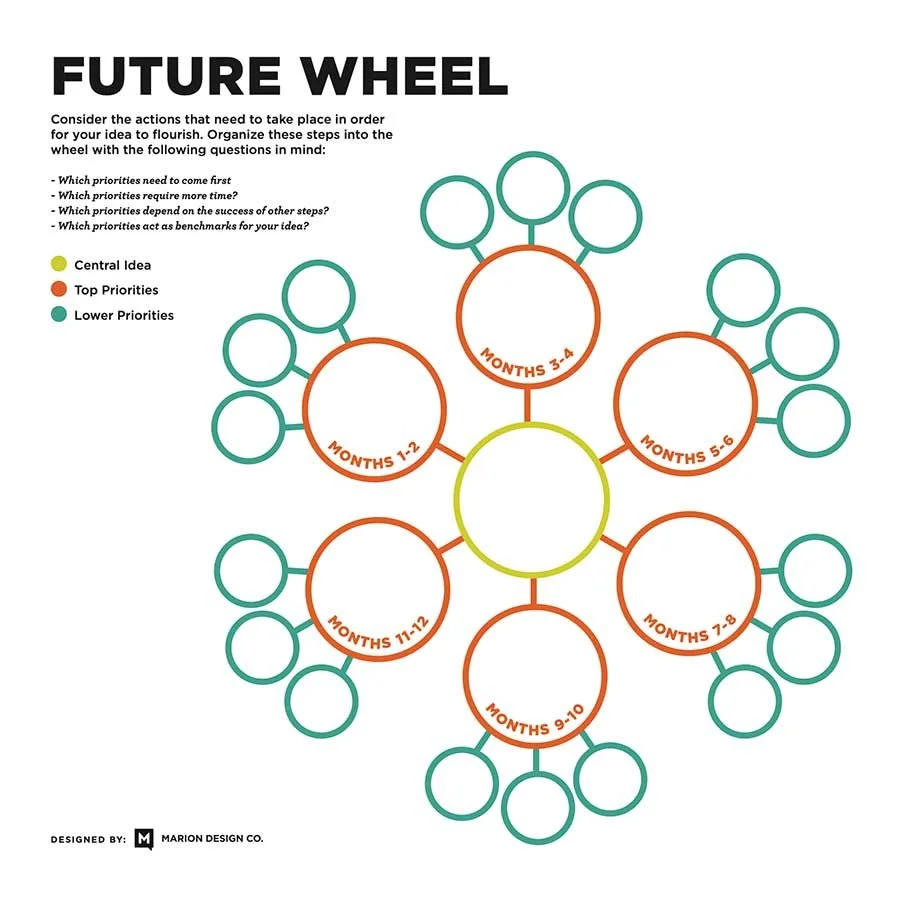
Future Wheel: A visual mapping exercise for anticipating ripple effects of design decisions. By identifying short, medium, and long-term outcomes, participants learned to fail faster and cheaper. It takes practice, but these tools can help align resources with achievable timelines.
-
The UCDA presentation exemplified Marion Design Co.’s dual mission: to bring innovation to life through human-centered design and to strengthen the bonds between designers, clients, and communities.
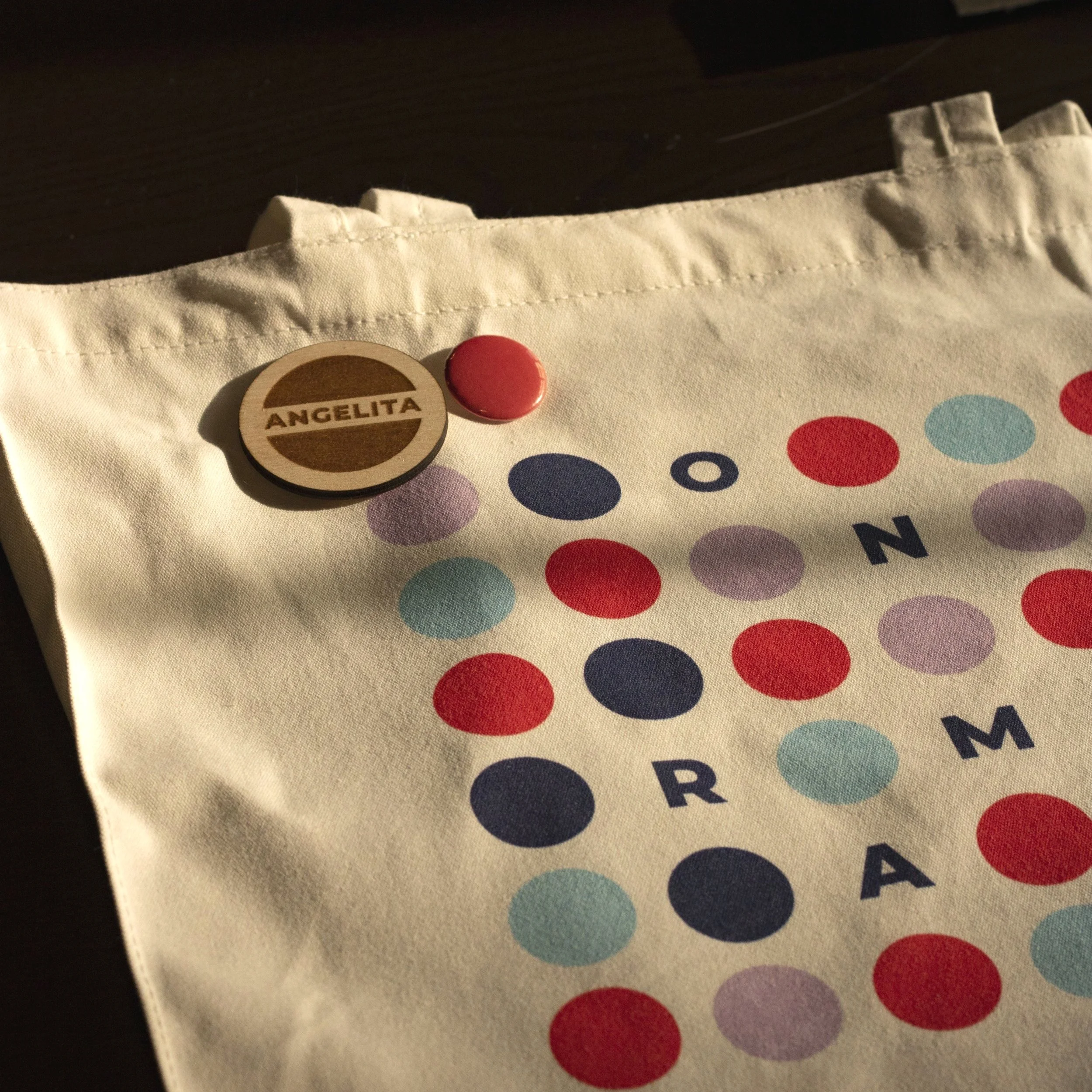
Participants left with tangible resources (the handout, Personas Worksheet, and Future Wheel) as well as an invitation for a complimentary design thinking consultation. They also left with a renewed understanding that design’s power lies not only in creativity, but in connection.
By engaging over 300 professionals, educators, and students, “Presence Changes Perception” expanded the reach of Marion Design Co.’s philosophy, positioning the firm as a thought leader in asset-based community design. The talk reinforced that design’s most transformative outcomes arise when practitioners are present enough to perceive, empathize, and co-create alongside those they serve.
The success of the UCDA presentation continues to inspire future collaborations. Innovation is not only imagined but embodied and where relationships remain at the heart of every design solution.
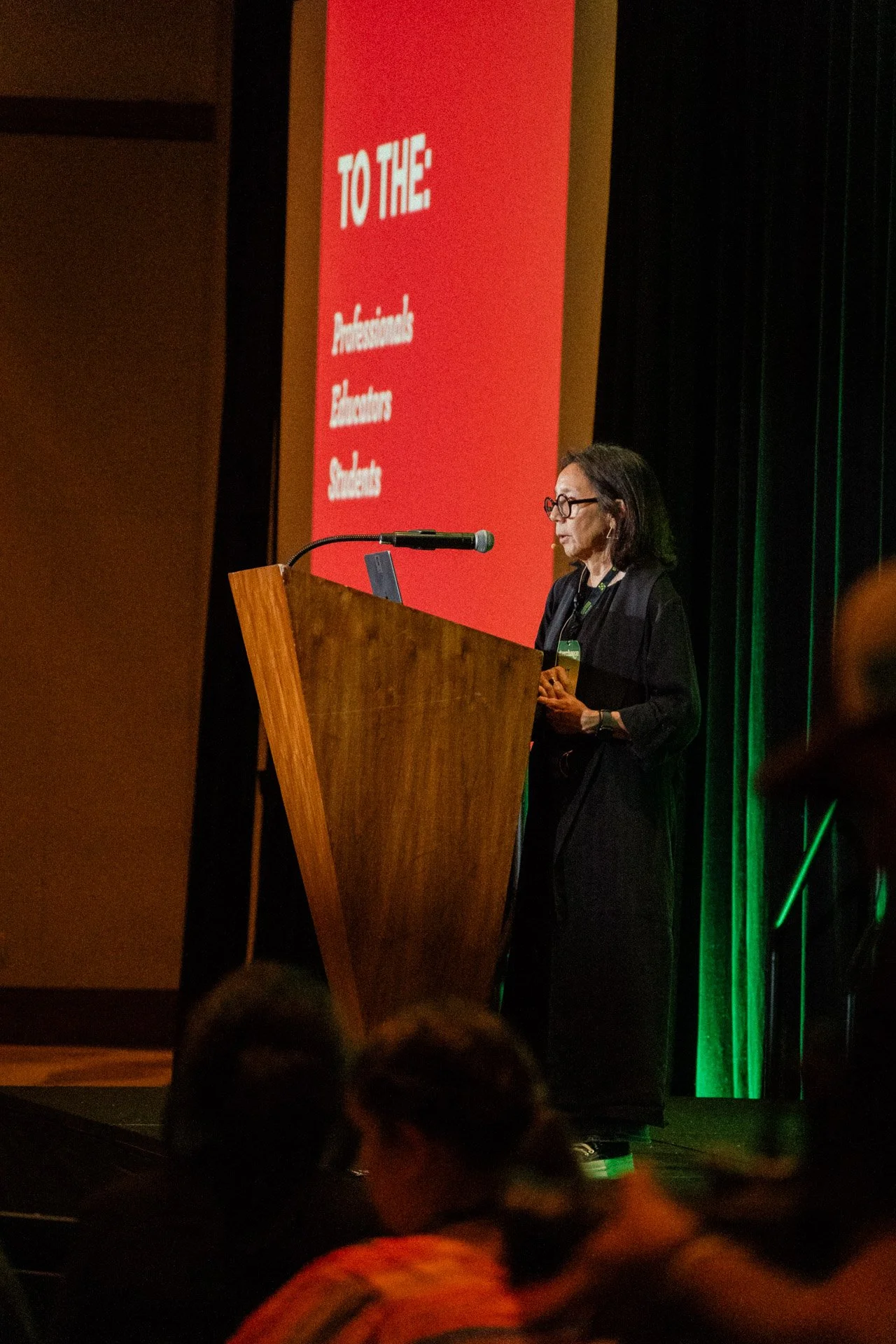
At the 2025 UCDA National Conference, Wendy Puffer represented Marion Design Co. with the keynote presentation “Presence Changes Perception.” Over 300 designers in higher-education gathered to reconsider how physical and relational presence transforms both process and outcome in design.